
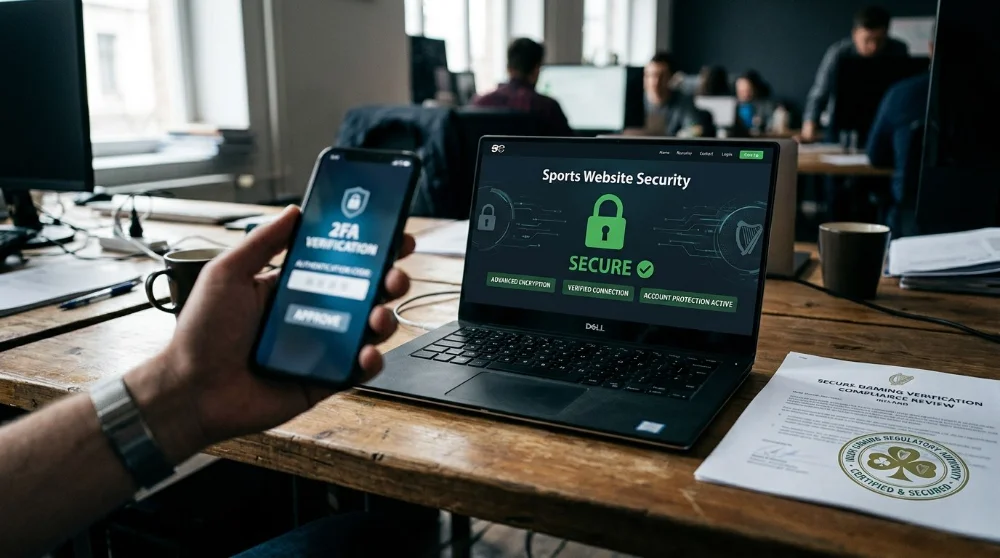
Ireland’s gambling market has changed. The Gambling Regulation Act 2024 is now in effect. The Gambling Regulatory Authority of Ireland (GRAI) started issuing remote betting licences on 1 July 2026 . In-person betting licences will follow later this year .
This matters for security. The new law sets strict standards for how operators handle data, payments, and player accounts. Non-compliance comes with serious consequences. Fines can reach €20 million or 10 percent of turnover – whichever is greater . Criminal prosecution is also possible .
At Spiralli, we build sports and betting sites for Irish operators. We have spent the last year helping clients prepare for the new regime. Here is what we have learned about security requirements and how to meet them.
What the New Law Requires
The Gambling Regulation Act 2024 creates a single regulator with enforcement powers . The GRAI can inspect premises, demand documents, and take action against operators who break the rules .
For remote betting operators, the key security obligations include:
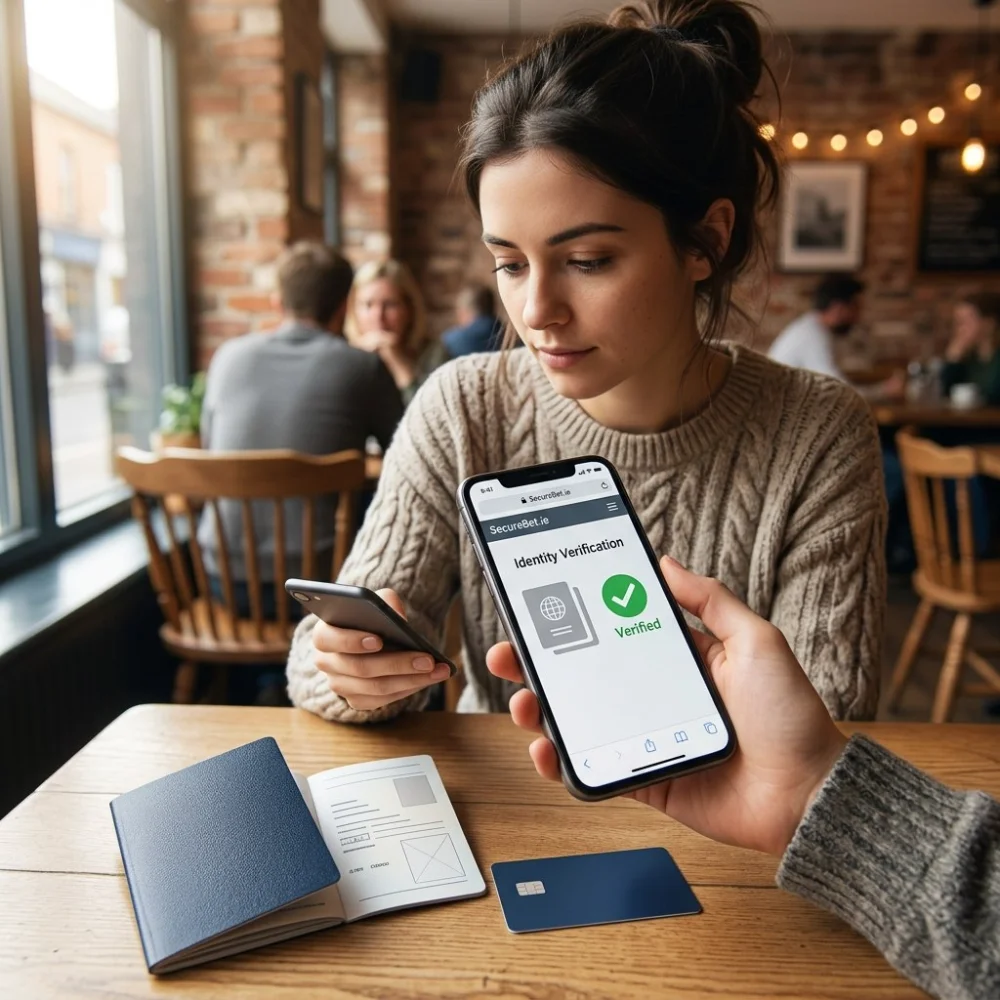
Age and identity verification. Licensees must verify the age and identity of anyone who opens an online gambling account . This is not optional. The law requires it before a customer can gamble.
Account closure on request. Operators must close accounts when requested in writing . They also must close accounts after 13 months of inactivity .
Payment restrictions. Credit card payments are banned. This includes electronic payments that use money loaded from a credit card . “Buy now, pay later” schemes are also prohibited .
No unreasonable withholding of winnings. Operators cannot delay payments unless they spot suspicious patterns .
Age verification effectiveness. Research from University College Dublin found that children could bypass age checks on major social media apps simply by entering a false birth year . The GRAI expects operators to build stronger systems than that.
The GRAI has published guidance documents explaining these obligations in detail . We recommend reading them carefully.
The Real Threats to Your Site
Security is not just about compliance. Your site faces real threats every day. We see three main categories of attack targeting Irish sports and betting sites.
DDoS Attacks During Major Events
Distributed Denial of Service attacks flood your site with traffic. Legitimate users cannot get through. This is not theoretical. In February 2004, Paddy Power’s site went offline for several hours due to a DDoS attack . The attackers demanded payment to stop the attack. Paddy Power did not pay, but the site was still unavailable to customers during the incident.
The risk is higher during major sporting events. The Cheltenham Festival, the All-Ireland finals, and the Premier League season all see spikes in betting traffic. Attackers know this. They target sites when the impact is greatest and the pressure to pay is highest .
Data Breaches and Account Takeovers
Your site holds sensitive data: names, addresses, payment details, and betting history. Hackers want this information. They can sell it, use it for identity theft, or take over player accounts.
The new law requires operators to protect this data . Breaches can result in fines, legal action, and reputational damage. Players will not trust a site that leaks their information.
Payment System Vulnerabilities
Betting sites handle large volumes of money. This makes payment systems a prime target. Criminals look for ways to intercept funds, manipulate transactions, or launder money through legitimate accounts .
The GRAI requires operators to verify that winnings come from lawful sources . This means you need systems to identify suspicious activity.

Core Security Measures That Work
We recommend a layered approach to security. No single measure is enough. You need multiple defences working together.
SSL Encryption
SSL encrypts data between your site and your users. This prevents hackers from intercepting sensitive information. Every betting or sports site should use SSL. It is the minimum standard.
Most hosting providers include SSL certificates in their packages. If yours does not, get one. The cost is small. The risk of not having one is large.
Two-Factor Authentication
Two-factor authentication adds a second layer of security to player accounts. Users need something they know (a password) and something they have (a phone or authenticator app).
We recommend offering 2FA to all users and requiring it for withdrawals and account changes. This reduces the risk of account takeovers significantly.
Web Application Firewall
A Web Application Firewall blocks malicious traffic before it reaches your site. It filters out SQL injection attempts, cross-site scripting attacks, and other common threats.
We use WAFs on all the betting sites we build. They stop automated attacks and reduce the load on your servers. The cost is modest compared to the cost of a breach.
DDoS Protection
DDoS protection absorbs traffic spikes during attacks. It keeps your site online when attackers try to flood it.
We recommend services that offer always-on protection rather than reactive protection. Reactive protection only kicks in after an attack starts, which means you still experience downtime.
Regular Security Audits
Security is not a one-time job. Threats change. You need to check your systems regularly.
We recommend quarterly security audits for betting sites. These audits check for vulnerabilities, test your defences, and confirm that your systems meet GRAI requirements .
Regular Backups
Backups are your safety net. If something goes wrong – a hack, a server failure, a corrupted database – you need to restore your site quickly.
We set up automated daily backups for all our clients. We store backups in multiple locations. We test restores regularly to confirm they work.
Age Verification Systems
Age verification is a legal requirement under the new law . The GRAI expects operators to verify identity and age before allowing gambling.
There are several methods available :
Database checks. Your system checks the user’s details against a reference database. This works for most users but fails for people with limited credit history or recent address changes.
Document authentication. Users upload a photo of their passport or driving licence. Your system checks that the document is genuine and confirms the age. This method requires storage of sensitive personal data.
Face match. Your system compares a selfie to the photo on the user’s document. This confirms that the user is the document holder.
Liveness detection. Your system checks that a real person is present, not a photo or video replay.
The challenge is balancing security with data protection. The GRAI is committed to protecting personal data as well as preventing underage gambling . We help clients find solutions that meet both requirements.
Choosing the Right Hosting
Your hosting provider affects your security. We see common mistakes in this area.
Don’t use budget hosting for betting sites. Cheap providers cut corners on security. They use shared servers, weak firewalls, and outdated software. We have seen clients choose budget hosting to save money and then pay more later to fix security issues.
Choose providers that allow gambling content. Many hosting companies ban gambling sites. They will shut your site down without warning. We use providers that specifically allow gambling content.
Look for managed hosting. Managed hosting providers handle security updates, monitoring, and incident response. They take the burden off your team.
Consider EU-based providers. Data protection laws require you to handle EU residents’ data appropriately. Using an EU-based provider simplifies compliance.
Check the SLA. Your service level agreement should include uptime guarantees, response times, and security commitments.
WordPress Security Plugins
Many of our clients use WordPress for their sports and betting sites. WordPress is flexible and cost-effective, but it needs security plugins.
We use plugins that add:
Login security. Limit login attempts, block suspicious IPs, and add 2FA.
Malware scanning. Check your site for malicious code on a regular schedule.
Firewall. Block malicious traffic before it reaches your site.
Activity logging. Track who does what on your site. This helps you identify issues and investigate breaches.
File integrity monitoring. Check that core WordPress files have not been modified without authorisation.
We do not recommend specific plugins in this article because the landscape changes quickly. Talk to your developer about what works best for your setup.
Player Trust and Licensing
Security affects your ability to get and keep a licence. The GRAI checks that operators are fit and proper to hold a licence . This includes security practices.
The application process requires detailed information about your business, your finances, and your systems . You need to demonstrate that you can protect player data, handle payments securely, and comply with the law .
Operators who cannot demonstrate this will not get a licence. Operators who already have a licence but fail to maintain security face enforcement action . The GRAI has powers to investigate, fine, and suspend licences.
Player trust is equally important. Players will not deposit money on a site they do not trust. The unregulated black market takes advantage of this. Unlicensed operators often lack security measures, putting players at risk .
Licensed operators who prioritise security gain a competitive advantage. They attract players who want safety and reliability. They avoid the fines and legal problems that come with breaches.
What to Do Next
If you run a betting or sports site in Ireland, review your security now.
Check your compliance. Review the GRAI guidance documents. Confirm that your systems meet the legal requirements. If you are not sure, talk to a solicitor who understands the new law.
Audit your current security. Test your defences. Check your backups. Review your access controls. Identify gaps and fix them.
Upgrade your hosting. If you are using budget hosting, switch to a provider that offers managed security. This is one of the most effective changes you can make.
Implement 2FA. Two-factor authentication is low-cost and high-impact. It stops the majority of account takeovers.
Add DDoS protection. The risk of DDoS attacks is real. Protection is affordable. The cost of downtime is higher.
Document everything. The GRAI expects operators to have policies and procedures. Document your security measures, your incident response plan, and your compliance steps.
Train your staff. Security is not just about technology. Your staff need to understand the risks and their responsibilities. Human error is a common cause of breaches.
Our Approach at Spiralli
We have been building sports and betting sites in Ireland for years. Our approach to security is practical and proven.
We start with an audit. We assess your current setup and identify gaps. We look at your hosting, your code, your plugins, and your processes.
We design a security architecture that fits your budget and your risk profile. We do not sell unnecessary services. We focus on what matters.
We build compliance into the development process. Our sites meet GRAI requirements from day one. We do not add security as an afterthought.
We monitor and maintain. Security is ongoing. We watch for threats, apply updates, and adjust as the landscape changes.
We have helped clients pass GRAI checks, prevent attacks, and keep player data safe. We know the Irish market and the regulatory environment.
Contact us if you want to talk about your site’s security. We will audit your setup, identify gaps, and show you what to fix. Your players deserve a safe experience. Your licence depends on it.