Explore

Our Services

Lorem ipsum dolor sit amet, consectetur adipiscing elit, sed do eiusmod tempor incididunt ut labore et dolore magna aliqua.

Web Development

Lorem ipsum dolor sit amet, consectetur adipisicing elit, sed do etc.

Database Analysis

Lorem ipsum dolor sit amet, consectetur adipisicing elit, sed do etc.

Server Security

Lorem ipsum dolor sit amet, consectetur adipisicing elit, sed do etc.

image
image
image
image
Explore

Design & Development

Lorem ipsum dolor sit amet, consectetur adipiscing elit, sed do eiusmod tempor incididunt ut labore et dolore magna aliqua.

image

DO YOU HAVE ANY PROJECT ?

Let’s Talk About Business Soluations With Us

image
image
image
image
image
image
image
image
image

Ireland’s gambling market has changed. The Gambling Regulation Act 2024 is now in effect. The Gambling Regulatory Authority of Ireland (GRAI) started issuing remote betting licences on 1 July 2026 . In-person betting licences will follow later this year .

This matters for security. The new law sets strict standards for how operators handle data, payments, and player accounts. Non-compliance comes with serious consequences. Fines can reach €20 million or 10 percent of turnover – whichever is greater . Criminal prosecution is also possible .

At Spiralli, we build sports and betting sites for Irish operators. We have spent the last year helping clients prepare for the new regime. Here is what we have learned about security requirements and how to meet them.

What the New Law Requires

The Gambling Regulation Act 2024 creates a single regulator with enforcement powers . The GRAI can inspect premises, demand documents, and take action against operators who break the rules .

For remote betting operators, the key security obligations include:

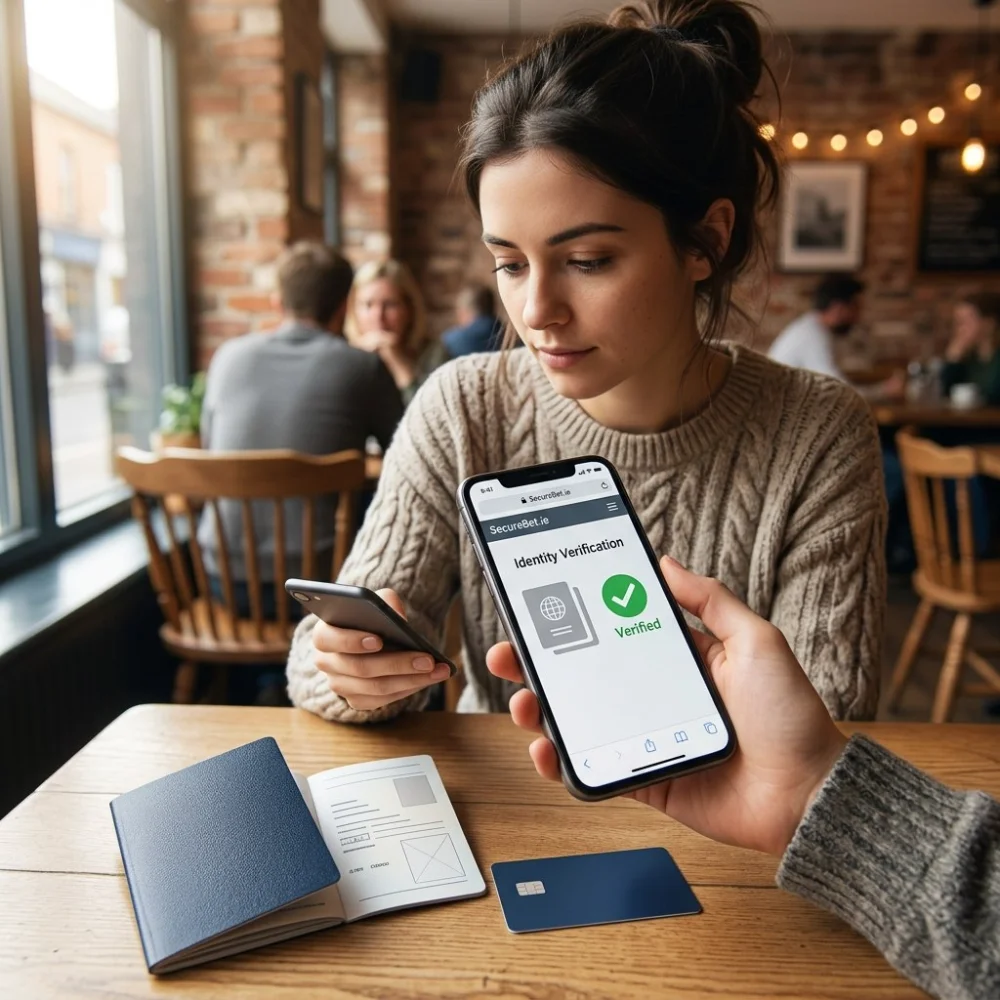
Age and identity verification. Licensees must verify the age and identity of anyone who opens an online gambling account . This is not optional. The law requires it before a customer can gamble.

Account closure on request. Operators must close accounts when requested in writing . They also must close accounts after 13 months of inactivity .

Payment restrictions. Credit card payments are banned. This includes electronic payments that use money loaded from a credit card . “Buy now, pay later” schemes are also prohibited .

No unreasonable withholding of winnings. Operators cannot delay payments unless they spot suspicious patterns .

Age verification effectiveness. Research from University College Dublin found that children could bypass age checks on major social media apps simply by entering a false birth year . The GRAI expects operators to build stronger systems than that.

The GRAI has published guidance documents explaining these obligations in detail . We recommend reading them carefully.

The Real Threats to Your Site

Security is not just about compliance. Your site faces real threats every day. We see three main categories of attack targeting Irish sports and betting sites.

DDoS Attacks During Major Events

Distributed Denial of Service attacks flood your site with traffic. Legitimate users cannot get through. This is not theoretical. In February 2004, Paddy Power’s site went offline for several hours due to a DDoS attack . The attackers demanded payment to stop the attack. Paddy Power did not pay, but the site was still unavailable to customers during the incident.

The risk is higher during major sporting events. The Cheltenham Festival, the All-Ireland finals, and the Premier League season all see spikes in betting traffic. Attackers know this. They target sites when the impact is greatest and the pressure to pay is highest .

Data Breaches and Account Takeovers

Your site holds sensitive data: names, addresses, payment details, and betting history. Hackers want this information. They can sell it, use it for identity theft, or take over player accounts.

The new law requires operators to protect this data . Breaches can result in fines, legal action, and reputational damage. Players will not trust a site that leaks their information.

Payment System Vulnerabilities

Betting sites handle large volumes of money. This makes payment systems a prime target. Criminals look for ways to intercept funds, manipulate transactions, or launder money through legitimate accounts .

The GRAI requires operators to verify that winnings come from lawful sources . This means you need systems to identify suspicious activity.

Core Security Measures That Work

We recommend a layered approach to security. No single measure is enough. You need multiple defences working together.

SSL Encryption

SSL encrypts data between your site and your users. This prevents hackers from intercepting sensitive information. Every betting or sports site should use SSL. It is the minimum standard.

Most hosting providers include SSL certificates in their packages. If yours does not, get one. The cost is small. The risk of not having one is large.

Two-Factor Authentication

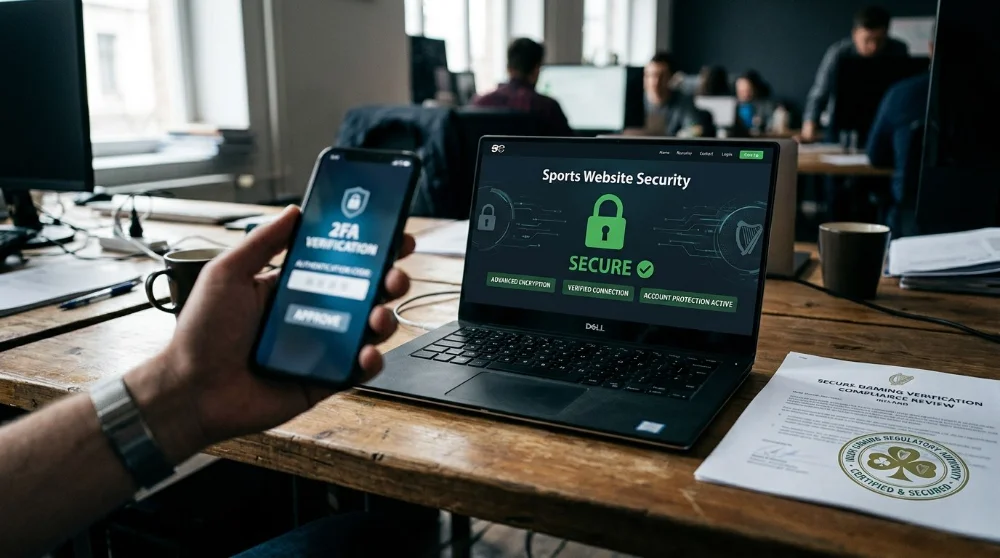
Two-factor authentication adds a second layer of security to player accounts. Users need something they know (a password) and something they have (a phone or authenticator app).

We recommend offering 2FA to all users and requiring it for withdrawals and account changes. This reduces the risk of account takeovers significantly.

Web Application Firewall

A Web Application Firewall blocks malicious traffic before it reaches your site. It filters out SQL injection attempts, cross-site scripting attacks, and other common threats.

We use WAFs on all the betting sites we build. They stop automated attacks and reduce the load on your servers. The cost is modest compared to the cost of a breach.

DDoS Protection

DDoS protection absorbs traffic spikes during attacks. It keeps your site online when attackers try to flood it.

We recommend services that offer always-on protection rather than reactive protection. Reactive protection only kicks in after an attack starts, which means you still experience downtime.

Regular Security Audits

Security is not a one-time job. Threats change. You need to check your systems regularly.

We recommend quarterly security audits for betting sites. These audits check for vulnerabilities, test your defences, and confirm that your systems meet GRAI requirements .

Regular Backups

Backups are your safety net. If something goes wrong – a hack, a server failure, a corrupted database – you need to restore your site quickly.

We set up automated daily backups for all our clients. We store backups in multiple locations. We test restores regularly to confirm they work.

Age Verification Systems

Age verification is a legal requirement under the new law . The GRAI expects operators to verify identity and age before allowing gambling.

There are several methods available :

Database checks. Your system checks the user’s details against a reference database. This works for most users but fails for people with limited credit history or recent address changes.

Document authentication. Users upload a photo of their passport or driving licence. Your system checks that the document is genuine and confirms the age. This method requires storage of sensitive personal data.

Face match. Your system compares a selfie to the photo on the user’s document. This confirms that the user is the document holder.

Liveness detection. Your system checks that a real person is present, not a photo or video replay.

The challenge is balancing security with data protection. The GRAI is committed to protecting personal data as well as preventing underage gambling . We help clients find solutions that meet both requirements.

Choosing the Right Hosting

Your hosting provider affects your security. We see common mistakes in this area.

Don’t use budget hosting for betting sites. Cheap providers cut corners on security. They use shared servers, weak firewalls, and outdated software. We have seen clients choose budget hosting to save money and then pay more later to fix security issues.

Choose providers that allow gambling content. Many hosting companies ban gambling sites. They will shut your site down without warning. We use providers that specifically allow gambling content.

Look for managed hosting. Managed hosting providers handle security updates, monitoring, and incident response. They take the burden off your team.

Consider EU-based providers. Data protection laws require you to handle EU residents’ data appropriately. Using an EU-based provider simplifies compliance.

Check the SLA. Your service level agreement should include uptime guarantees, response times, and security commitments.
WordPress Security Plugins

Many of our clients use WordPress for their sports and betting sites. WordPress is flexible and cost-effective, but it needs security plugins.

We use plugins that add:

Login security. Limit login attempts, block suspicious IPs, and add 2FA.

Malware scanning. Check your site for malicious code on a regular schedule.

Firewall. Block malicious traffic before it reaches your site.

Activity logging. Track who does what on your site. This helps you identify issues and investigate breaches.

File integrity monitoring. Check that core WordPress files have not been modified without authorisation.

We do not recommend specific plugins in this article because the landscape changes quickly. Talk to your developer about what works best for your setup.

Player Trust and Licensing

Security affects your ability to get and keep a licence. The GRAI checks that operators are fit and proper to hold a licence . This includes security practices.

The application process requires detailed information about your business, your finances, and your systems . You need to demonstrate that you can protect player data, handle payments securely, and comply with the law .

Operators who cannot demonstrate this will not get a licence. Operators who already have a licence but fail to maintain security face enforcement action . The GRAI has powers to investigate, fine, and suspend licences.

Player trust is equally important. Players will not deposit money on a site they do not trust. The unregulated black market takes advantage of this. Unlicensed operators often lack security measures, putting players at risk .

Licensed operators who prioritise security gain a competitive advantage. They attract players who want safety and reliability. They avoid the fines and legal problems that come with breaches.

What to Do Next

If you run a betting or sports site in Ireland, review your security now.

Check your compliance. Review the GRAI guidance documents. Confirm that your systems meet the legal requirements. If you are not sure, talk to a solicitor who understands the new law.

Audit your current security. Test your defences. Check your backups. Review your access controls. Identify gaps and fix them.

Upgrade your hosting. If you are using budget hosting, switch to a provider that offers managed security. This is one of the most effective changes you can make.

Implement 2FA. Two-factor authentication is low-cost and high-impact. It stops the majority of account takeovers.

Add DDoS protection. The risk of DDoS attacks is real. Protection is affordable. The cost of downtime is higher.

Document everything. The GRAI expects operators to have policies and procedures. Document your security measures, your incident response plan, and your compliance steps.

Train your staff. Security is not just about technology. Your staff need to understand the risks and their responsibilities. Human error is a common cause of breaches.

Our Approach at Spiralli

We have been building sports and betting sites in Ireland for years. Our approach to security is practical and proven.

We start with an audit. We assess your current setup and identify gaps. We look at your hosting, your code, your plugins, and your processes.

We design a security architecture that fits your budget and your risk profile. We do not sell unnecessary services. We focus on what matters.

We build compliance into the development process. Our sites meet GRAI requirements from day one. We do not add security as an afterthought.

We monitor and maintain. Security is ongoing. We watch for threats, apply updates, and adjust as the landscape changes.

We have helped clients pass GRAI checks, prevent attacks, and keep player data safe. We know the Irish market and the regulatory environment.

Contact us if you want to talk about your site’s security. We will audit your setup, identify gaps, and show you what to fix. Your players deserve a safe experience. Your licence depends on it.

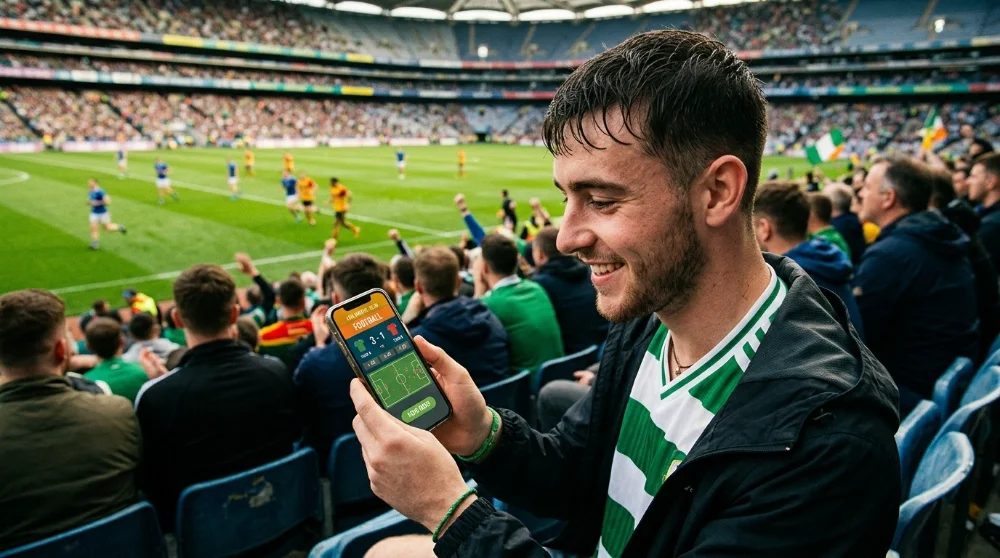
The numbers are stark. Online gambling revenue in Ireland passed €1.2 billion in the first quarter of 2026. That is a 47 percent increase from the previous quarter . Meanwhile, physical betting shops saw their turnover drop from €552 million to €276 million over the same period. The market has shifted, and it shifted fast.

We see this every day at Spiralli. Our clients in the sports and betting space come to us with the same problem: their desktop site works fine, but their mobile numbers are weak. Players leave. Registration rates are low. The bounce rate on phones is double what it is on computers.

The cause is simple. Most sports and betting sites were built for desktop screens. They were designed with a mouse and a large monitor in mind. Then they were squeezed down to fit a phone. That approach does not work anymore.

Here is what we have learned about mobile betting in Ireland and how we fix it for our clients.

The Irish Market Has Gone Mobile

The data from Ireland is clear. The Gambling Regulatory Authority of Ireland (GRAI) now oversees a market where online operators outnumber physical bookmakers by more than four to one. There are 66 online operators and just 15 traditional shops left in the country .

The traffic numbers tell the same story. We analysed the top gambling websites in Ireland using Semrush data. The mobile share for most leading sites is between 80 and 90 percent . Some operators are getting 96 percent of their traffic from phones. Only a handful still have a desktop majority.

What is driving this shift? Two things.

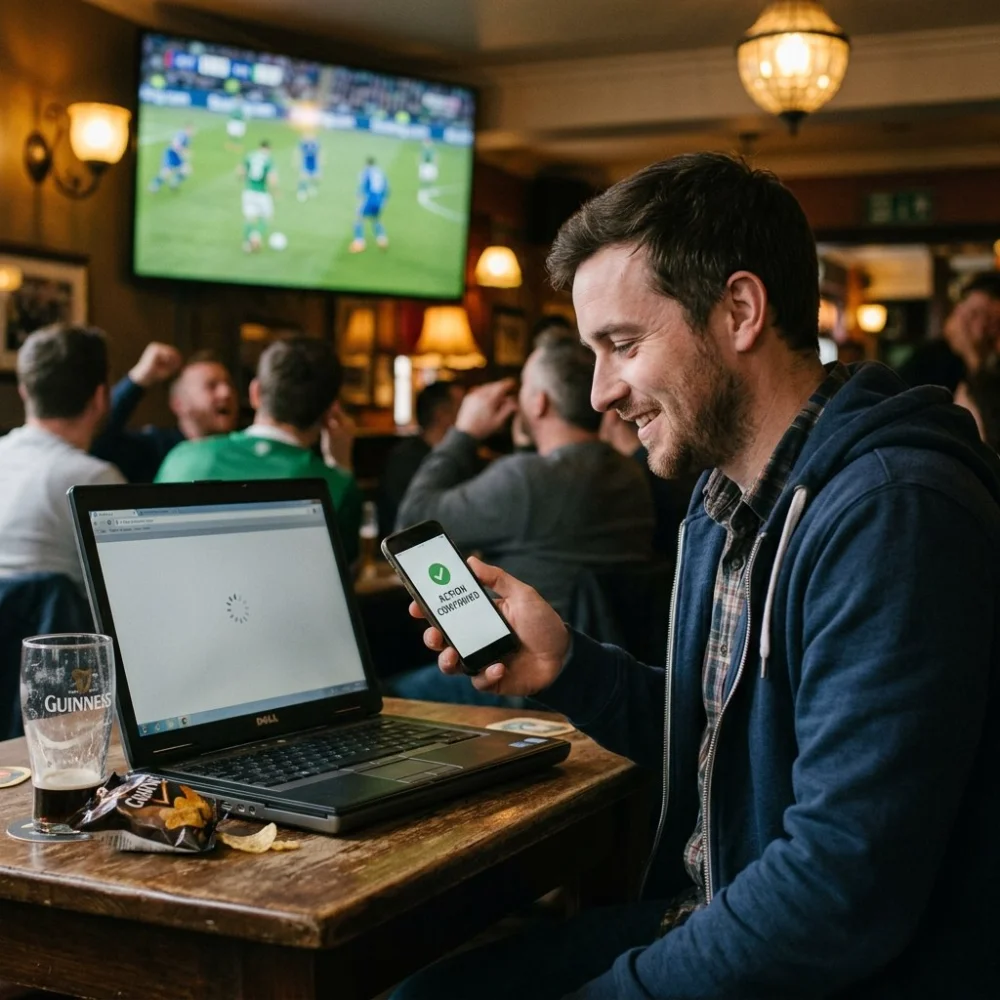
First, Irish people use their phones for everything. A Deloitte study found that 96 percent of people in Ireland own a smartphone . That is one of the highest rates in Europe. When everyone has a phone in their pocket, they use it to check scores, place bets, and manage their accounts.

Second, the matchday experience has changed. Fans at live games now use their phones constantly. Over 80 percent of sports fans check their phones while attending live professional events . They check scores from other games, look at stats, and place in-play bets. The phone has become part of the matchday routine.

The shift away from desktop is permanent. Physical betting shops are closing. Desktop traffic is declining. If your site is not optimised for mobile, you are losing customers.

What Mobile Users Actually Need

A mobile betting experience is different from a desktop experience. The screen is smaller. The user is often in a hurry. They might be at a game, on a bus, or watching TV. They want to place a bet quickly and get back to what they were doing.

Based on our work with Irish sports and betting clients, we have identified five things mobile users need above all else.

Speed. Mobile users have zero patience. If a page takes more than three seconds to load, they leave. This is not an opinion. We have seen the data across dozens of sites. The bounce rate triples when load time goes from one second to three seconds.

Large touch targets. Buttons need to be big enough to tap with a thumb. We see sites all the time with buttons that are too small. Users miss them, get frustrated, and leave. The minimum size for a tappable area on mobile is 44 by 44 pixels. We aim for bigger.

Simple navigation. Menus that work on desktop often fail on mobile. Drop-downs are hard to use with a finger. Hamburger menus hide important options. We design navigation that puts the most important actions – bet slip, account, promotions – within easy reach.

Clear bet slip. The bet slip is the most important element on any betting site. On mobile, it needs to be visible and easy to use. Users need to see their selections, change stakes, and confirm bets without scrolling or zooming.

Fast registration. Sign-up flows that work on desktop are often too long for mobile. Users will not fill out a ten-field form on a phone. We shorten registration to the absolute minimum and use social logins where possible.

Common Mobile Mistakes We See

We audit a lot of sports and betting sites. Most have the same problems on mobile.

Small buttons and links. This is the most common issue. We see sites where the “Place Bet” button is the size of a fingernail. Users tap it, miss, and tap again. Each missed tap increases frustration and reduces the chance of conversion.

Poorly sized images. Some sites serve desktop-sized images to mobile devices. These take too long to load and waste data. We use responsive images that adjust to the screen size.

Hidden navigation. Hamburger menus hide important options. Users have to tap twice to get anywhere. We prefer visible navigation with the most important items shown at the bottom of the screen.

Complicated registration. We see registration forms with ten or more fields. Mobile users abandon these. We reduce forms to the essentials: name, email, password, and date of birth. Everything else comes later.

No touch optimisation. Some sites still use hover effects that work on desktop but do nothing on mobile. The interface feels broken. We design for touch first and add mouse support later.

The PWA Alternative

Many betting operators think they need a native app. They spend money on iOS and Android development. They deal with app store approvals. They pay commissions on every transaction.

There is a better way. Progressive Web Apps (PWAs) are mobile websites that behave like native apps . They load fast, work offline, and can be added to the home screen. They send push notifications and run at near-native speeds.

Here is why PWAs work better for betting and casino sites.

No app store gatekeepers. The major app stores have become difficult for gambling operators. Google and Apple enforce strict rules. Getting approved takes time. Getting rejected costs money. A PWA bypasses all of that .

Lower costs. Building a native app requires separate development for iOS and Android. A PWA works across both platforms with one codebase. Maintenance costs are lower. Updates are instant.

Direct user acquisition. Users find PWAs through search, social media, or direct links. There is no app store listing to compete on. You control your own distribution .

Faster updates. When you need to update odds, add a promotion, or fix a bug, you can do it instantly. There is no app store review process. Changes go live as soon as you deploy them.

Push notifications. PWAs support push notifications on both iOS and Android. You can re-engage users without needing a native app.

Some of the biggest names in the industry are moving to PWAs. Smaller operators are launching PWA-first because they never built a desktop site in the first place . The performance gap between PWAs and native apps has closed. For betting and casino use cases, the difference is negligible.

What We Do for Our Clients

At Spiralli, we have built mobile-first sports and betting sites for Irish operators. Here is our approach.

We start with mobile. We design for the smallest screen first. Then we expand to tablets and desktops. This forces us to make good decisions about what matters most.

We test on real devices. Emulators are not enough. We test on actual phones and tablets. We use low-end devices as well as high-end ones. If the site works on a three-year-old Android phone, it will work on anything.

We optimise images. Large images are the biggest cause of slow loading times. We compress everything. We use WebP format where possible. We lazy load images that are not immediately visible.

We simplify registration. We work with our clients to strip down their sign-up flows. We remove unnecessary fields. We add social login options like Google and Facebook.

We build PWA features. Our sites include service workers for offline support. We add manifest files so users can add the site to their home screen. We set up push notifications for re-engagement.

We monitor performance. We use tools like Lighthouse and WebPageTest to track performance. We set targets for First Contentful Paint and Largest Contentful Paint. We fix issues as soon as they appear.

The Cost of Getting It Wrong

We have seen the damage that poor mobile experiences cause. One client had 70 percent of their traffic coming from mobile but only 30 percent of their revenue. Users were visiting the site but not converting. We rebuilt the mobile experience. Within three months, mobile revenue had doubled.

Another client was losing users during registration. The sign-up form was too long and did not work well on phones. We shortened the form and optimised the flow. Registration conversion increased by 27 percent.

These results are not unusual. We see them consistently when we fix mobile issues. The investment is modest. The return is significant.

What You Should Do Next

If you run a sports or betting site in Ireland, look at your mobile numbers. Check your bounce rate on phones. Look at your conversion rate on mobile versus desktop. If mobile lags, you have a problem.

Start with a mobile audit. Load your site on a phone and try to place a bet. Time how long it takes. Count how many taps you need. Note any friction points.

Then fix the biggest issues first. Speed is the priority. Compress images and simplify code. Then work on the user interface. Make buttons bigger. Simplify navigation. Shorten registration.

Consider a PWA. If you are building a new site or redesigning an existing one, build it as a PWA from the start. The benefits outweigh the costs.

The market has moved. Irish bettors are on their phones. They will not wait for your desktop site to load. They will not struggle with small buttons. They will go to a competitor that works on their device.

We help clients make this shift every week. We know what works in the Irish market. We know the technical requirements and the user expectations.

Contact us if you want to talk about your mobile experience. We will audit your site, identify the problems, and show you how to fix them. Your players are waiting.

At Spiralli, we build websites for sports organisations, betting operators, and casino brands across Ireland. Over the years, we have learned one thing that separates successful sites from the rest: personalisation.

Most websites treat every visitor the same. They show the same homepage, the same offers, and the same content to everyone. That approach costs you money.

A new player who just signed up does not need the same experience as a high-roller who bets €500 a week. A casual fan checking match scores does not need the same content as a club administrator managing fixtures. Yet most sites give all of them the same page.

That is a problem. And it is one we solve for our clients every day.

The Three Audiences You Cannot Ignore

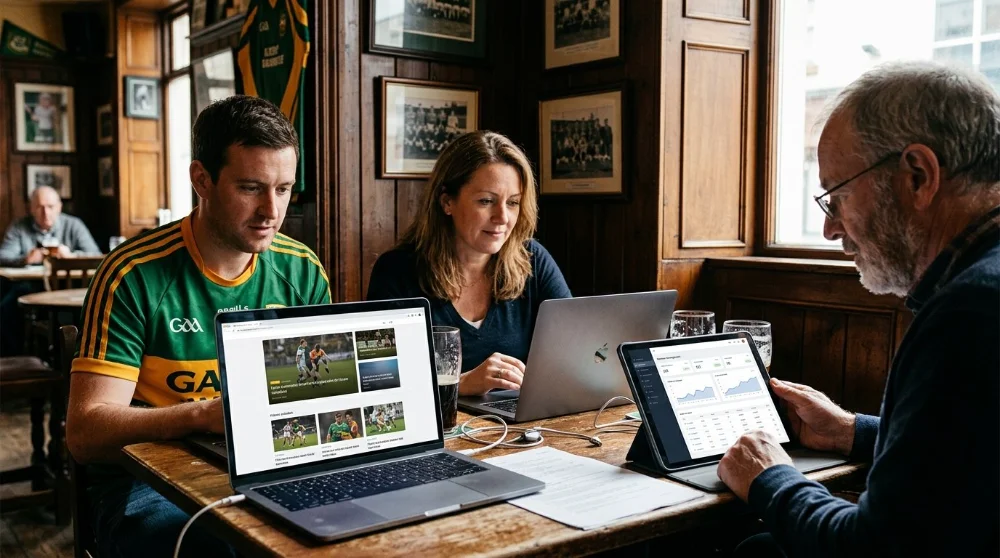
Every sports or betting site in Ireland serves at least three distinct groups. We see this pattern across GAA clubs, football associations, horse racing sites, and online casinos. Each group wants something different.

The Casual Fan

This person checks scores, reads news, and maybe buys a ticket once or twice a year. They do not bet regularly. They might not even have an account yet.

What they need:

  • Clear, fast access to scores and fixtures
  • Simple navigation that does not overwhelm them
  • An easy path to registration if they decide to join
  • Visual content – photos and videos from recent matches

What they do not need:

  • Advanced betting statistics
  • Complex account management tools
  • Detailed player performance data

The Betting Customer

This person comes to your site to place bets. They might be a casual bettor or a serious punter. Either way, they have a clear goal: find odds, place a bet, check results.

What they need:

  • Quick access to live odds and markets
  • A bet slip that works instantly on mobile
  • Fast loading times during live events
  • Promotions that match their betting patterns

What they do not need:

  • Club history pages
  • Long articles about community events
  • Photo galleries from social functions

The Club or Organisation Administrator

This person runs the site behind the scenes. They update fixtures, manage memberships, and handle registrations. They might also be a coach or committee member.

What they need:

  • Easy access to admin tools
  • Quick ways to update scores and results
  • Simple member management
  • Integration with systems like SportLoMo

What they do not need:

  • Flashy promotions
  • Betting odds
  • Entertainment content

How We Identify Your Visitors

Before you can personalise, you need to know who is on your site. We build systems that figure this out without asking the user to fill out long forms.

Location data tells us where someone is. A visitor from Dublin browsing your GAA club site might be a local fan. A visitor from another country might be checking scores for a different reason.

Device and browser information reveals behaviour. Someone on a phone during a match is likely checking live scores. Someone on a desktop at 2pm on a Tuesday might be an administrator.

Behavioural patterns give the strongest signals. We track what pages people visit and how long they stay. A user who clicks on odds pages clearly wants betting content. A user who repeatedly visits the fixtures page probably just wants schedules.

Account data provides the clearest picture once someone logs in. Their bet history, their favourite sports, their past purchases – all of this tells you exactly what they need.

The key is building this without being intrusive. We do not need to track every click. We just need enough data to make smart decisions about what to show next.

Personalisation Tools We Use for WordPress

WordPress powers most of the sites we build. It is flexible, cost-effective, and has a rich ecosystem of personalisation tools. Here is what we actually use with our clients.

Segment-Based Content Blocks

We create different content blocks for different user segments. A visitor without an account sees a registration prompt. A logged-in bettor sees their recent bets and personalised odds. An administrator sees management tools.

This works through simple conditional logic. If user role = X, show content Y. If no account, show content Z. It sounds basic, but many sites skip this and lose conversions as a result.

Behaviour-Triggered Recommendations

We set up systems that analyse what users view and suggest relevant content. A visitor who looks at horse racing odds sees more racing content. A visitor who views GAA fixtures sees upcoming matches and ticket options.

The recommendations use simple rules: view a page in category A, get more of category A. No complex AI needed. Just smart logic that keeps users engaged.

Dynamic Homepages

The homepage is the most important page on your site. It is also the page most sites get wrong. We build homepages that change based on who is viewing them.

A new visitor sees the best of what you offer – clear value propositions, easy navigation, and obvious next steps. A returning bettor sees their favourite sports and recent betting history. A club admin sees updates and management shortcuts.

The Lawn Tennis Association in the UK used similar approaches and saw their homepage bounce rate drop by 40 percent. Their average session time increased by 32 percent . These are the results we target for our Irish clients.

Personalised Email Integration

Personalisation does not stop at the website. We connect your site to email systems that send the right messages to the right people. A new member gets a welcome sequence. A lapsed bettor gets a re-engagement offer. A club administrator gets reminders about fixture deadlines.

The content is consistent across website and email. If someone sees a promotion on your site, they see the same promotion in their email. That builds trust and reduces confusion.

Case Study: A GAA Club That Grew Membership

We worked with a GAA club in Cork that had a standard website. Everyone saw the same homepage. The club posted news and fixtures, but engagement was low. Membership renewals were declining.

We analysed their traffic and found three distinct visitor types: local fans checking fixtures, parents registering children, and committee members handling admin. Each group had different needs and different conversion goals.

Our solution was simple. We built three versions of key pages.

For casual fans, we put fixtures, match reports, and a clear “become a member” button on the homepage. We added a photo gallery and match highlights.

For parents, we created a dedicated registration flow that started from the homepage. We removed distractions and made the forms short. We added parent testimonials near the registration button – social proof that other parents had good experiences.

For committee members, we built an admin dashboard that was one click from the homepage. They could update fixtures, approve memberships, and send emails without navigating through the site.

The results came in within three months. Membership renewals increased by 22 percent. Page views on the fixtures page went up 65 percent. The club received positive feedback from parents who found the registration process easier.

The investment was modest. The technology was not cutting-edge. It was just smart segmentation and thoughtful content placement.

Case Study: A Betting Site That Increased Conversions

We worked with an Irish-facing betting operator who had a standard site. Visitors landed on the same homepage whether they were new or returning. The bounce rate was high. The conversion rate was low.

We segmented their traffic into three groups: new visitors, casual bettors, and high-value customers. Each group got a different experience.

New visitors saw a simplified homepage with a strong welcome bonus offer. We reduced the number of sports shown to avoid overwhelming them. We placed the registration form prominently.

Casual bettors saw their recently viewed sports and events. We added quick links to their favourite markets. We showed promotions relevant to their betting history.

High-value customers saw a custom dashboard. They got personalised odds, exclusive promotions, and faster access to withdrawals. We reduced the friction that often frustrates big bettors.

The changes took two weeks to implement. The results were immediate. Bounce rate dropped 18 percent. Registration conversion increased 27 percent. High-value customer retention improved within the first month.

None of this required rebuilding the entire site. We used the tools already available in WordPress and added some custom logic. The biggest change was mindset – thinking about users as individuals rather than a single audience.

Addressing the Irish Context

Ireland has unique characteristics that make personalisation particularly important for sports and betting sites.

The GAA is deeply local. Fans care about their county and their club. A general sports site does not serve them well. They want specific information about specific teams. Personalisation allows you to show Cork GAA fans Cork content and Dublin GAA fans Dublin content.

Betting culture is established. Irish people bet on horse racing, football, and greyhounds. Each segment has different preferences. A horse racing bettor does not want football promotions. Personalisation means showing the right offers to the right people.

Seasonal patterns are clear. The GAA season runs from spring to autumn. Football runs autumn to spring. Betting peaks during major events. Your site should adapt to these patterns automatically.

We work with clients to plan their content calendar around these patterns. We set up personalisation rules that change with the season. GAA content appears prominently during championship months. Football content takes over during the Premier League season.

Common Mistakes We See

Personalisation is powerful, but we see many sites get it wrong. Here are the mistakes we fix most often.

Showing personalisation too early. A new visitor does not want customised content – they want to understand what your site offers. Start with a strong, clear homepage for new visitors. Introduce personalisation after they have shown some interest.

Over-segmenting your audience. Five segments is usually enough. More than that and you spread your content too thin. Start with three segments and add more only when you have data to support it.

Forgetting mobile users. Most sports and betting traffic comes from phones . Your personalisation must work on mobile. That means larger buttons, simplified layouts, and content that is easy to consume on a small screen.

Ignoring the unauthenticated visitor. Many visitors never create an account. They still have preferences. Use location, device, and behaviour to personalise for them. They might convert later if you give them the right experience.

Using personalisation as a substitute for good content. Personalised content is wasted if the underlying content is weak. Write clear, useful content first. Then personalise where it is shown.

How to Start with Personalisation

If you are new to personalisation, start small. Pick one page and one segment. The homepage is the obvious choice because it gets the most traffic.

First, identify your most important segment. For many sports clubs, this is new visitors who might become members. For betting sites, it might be high-value customers who generate most revenue.

Second, build a personalised version of the homepage for that segment. Keep it simple – change the headline, adjust the call to action, and show relevant content. You do not need to redesign the whole page.

Third, test it. Compare how the personalised version performs against the standard version. Measure bounce rate, time on page, and conversion rate. If the personalised version wins, expand to more segments.

Fourth, add more pages. Once the homepage works, apply similar logic to other key pages. The fixtures page, the registration page, and the promotions page are good candidates.

Fifth, gather feedback. Ask your users what they think. Run surveys. Look at analytics. Use the data to refine your approach.

The Bottom Line

Personalisation is not a luxury. It is a requirement for any serious sports or betting site in Ireland. Visitors expect content that matters to them. If you show them generic content, they leave.

We see this in our clients’ results. The ones who personalise grow faster. They keep visitors longer. They convert more members and more bets. The ones who do not personalise struggle to compete.

The technology is available and affordable. WordPress has the tools you need. The effort required is modest compared to the results you can achieve.

If you are building a new site or updating an existing one, make personalisation a priority. Identify your audiences. Understand what they need. Build experiences that match.

Your visitors will notice the difference. And they will reward you with their attention, their membership, and their bets.

At Spiralli, we have helped dozens of Irish organisations build sites that work for every visitor. We can do the same for you.

Contact us to talk about your project. We will show you how personalisation fits your site and your goals.

image
image
image
image
image
image
image
image